Swan 3D Layered: A Designer’s Real-World Embroidery Review
First Impressions: Elegance Meets Dimension
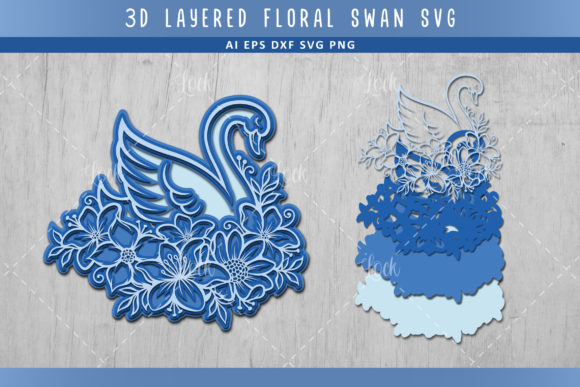
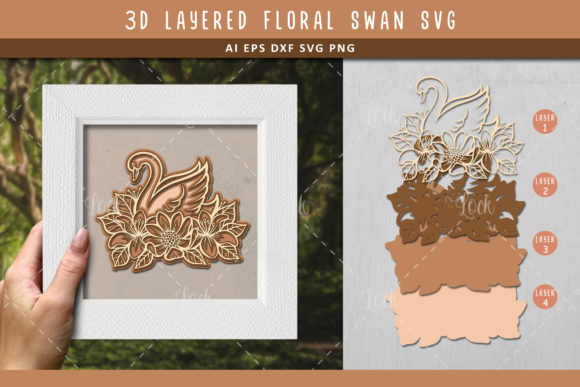
When I first opened the Swan 3D Layered embroidery design, I was struck by its graceful curves and layered depth. It’s not just a flat swan motif—it has a sculptural feel that suggests movement and softness. The layered construction gives it a dimensional effect that’s rare in standard embroidery files. This isn’t just a decorative graphic; it’s a design that invites texture and visual storytelling.
Right away, I could see it working well for boutique-style baby clothes, luxury tote bags, or even personalized pillow covers. The theme feels timeless—perfect for both modern and classic aesthetics. It’s elegant without being overly formal, making it versatile for a variety of handmade products and custom gifts.
Real-World Use: From Sweatshirts to Nursery Decor
I decided to test Swan 3D Layered on a few different materials to see how it would hold up in real embroidery projects. First, I stitched it onto a medium-weight sweatshirt. The result was impressive—layers stitched cleanly, and the satin and fill stitches blended well without puckering. It added a touch of refinement that elevated the garment from casual to curated.
Next, I tried it on a lightweight cotton baby onesie. The detail held up nicely, but I did have to use a lightweight stabilizer to prevent distortion. It worked beautifully, especially with a soft pastel thread palette. The 3D layering gave it a boutique-quality finish that Etsy sellers would love for newborn photography props or personalized baby gifts.
When stitched onto a linen pillow cover, the Swan 3D Layered looked almost like a hand-embroidered heirloom piece. The dimensional effect translated well into home decor, especially when paired with muted, organic fabric textures. It’s the kind of design that makes your handmade product feel intentional and high-end.
Where to Use with Care
While Swan 3D Layered performed well in most scenarios, there were a few instances where I had to adjust my approach. On stretchy knit fabric, the layers didn’t hold their shape as crisply as I’d hoped. The satin stitches pulled slightly, so I recommend using a firm stabilizer or choosing a slightly more structured fabric if you're embroidering on t-shirts or caps.
Small hoop sizes also posed a challenge. The design’s layered nature requires space to breathe—trying to squeeze it into a 4x4 hoop resulted in some fine details getting lost. If you’re working with limited hoop space, consider simplifying or resizing down with caution.
Dark fabric backgrounds revealed another consideration: thread contrast. The white and light gray layers didn’t pop as much as I expected. I ended up testing a black-and-white version, which worked better for high-contrast appeal. If you’re using this design on darker garments, plan your thread palette carefully or test with mockups first.
Visual Impact and Customer Appeal
From a design perspective, Swan 3D Layered brings a strong visual presence to any product. It adds a layer of sophistication that can elevate a basic tote bag into a boutique-worthy item. For Etsy sellers and craft entrepreneurs, that kind of detail can justify a price bump and attract customers looking for something unique.
I found that the layered effect also makes the design more memorable. Customers are more likely to recognize and remember a piece with depth and texture, especially when used consistently across product lines like personalized gifts or holiday merchandise.
When used in commercial embroidery, such as for boutique branding or small business merchandise, Swan 3D Layered offers a polished, professional look. It’s not overly complex, but it carries enough detail to feel premium. This makes it ideal for embroidered patches, embroidered aprons, or embroidered tea towels—items that need to maintain quality after repeated use and washing.
Designer Notes: Practical Tips for Best Results
Here are a few things I learned while working with Swan 3D Layered:
- Test on scrap fabric first—especially if you’re using it on stretchy or textured materials.
- Check thread color contrast before stitching on dark fabrics. Consider a monochrome version for high-impact results.
- Review stitch density—this design uses layered fills and satin stitches, so make sure your machine can handle the density.
- Confirm hoop size before resizing. The layered nature of the design means it may not scale down as easily as simpler graphics.
- Use proper stabilizer—especially when working with soft or stretchy substrates like baby clothes or knit caps.
- Inspect small details after stitching—some corners may require trimming or touch-ups for a clean finish.
- Test in black and white mockups to see how the design translates without color.
- Compare light and dark fabric backgrounds to determine which thread palette works best for your project.
- Verify licensing if you plan to sell finished products or digital embroidery files—this is crucial for Etsy sellers and digital product creators.
Final Thoughts: A Strong Addition to Any Embroidery Toolkit
Swan 3D Layered is more than just a pretty design—it’s a functional, adaptable embroidery asset that works well across a variety of real-life projects. Whether you're creating personalized gifts, custom apparel, or small shop merchandise, this design brings a sense of craftsmanship and dimension that’s hard to achieve with flat graphics.
It’s not a one-size-fits-all solution, but with a bit of planning and attention to detail, it can become a go-to element in your embroidery project lineup. For designers and small business owners looking to add depth and elegance to their offerings, Swan 3D Layered is definitely worth a closer look.