Texas, 3D Layered Tropical Texas: A Designer’s Real-World Embroidery Review
First Impressions: Bold, Playful, and Ready for Warm-Weather Craft Projects
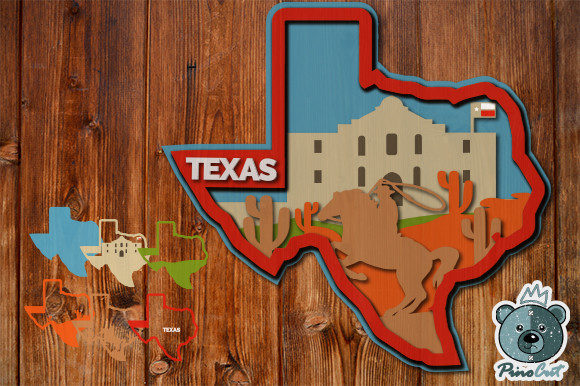
When I first opened the Texas, 3D Layered Tropical Texas design file, I was struck by its vibrant personality. It’s not just a state silhouette—it’s a layered, dimensional piece that brings a tropical twist to Lone Star pride. The design blends bold outlines with subtle textures, giving it a modern yet whimsical feel that immediately made me think of beachwear, summer totes, and boutique-style baby apparel.
The layered approach adds depth without overwhelming the eye, which is a big win for embroidery designers looking to make an impact without sacrificing stitch clarity. It’s the kind of design that says “handmade with care” while still feeling polished enough for commercial use.
Real-World Use: From Tote Bags to Sweatshirts and Beyond
I tested the Texas, 3D Layered Tropical Texas design on a few different fabric types to see how it would hold up in actual production. First up: a natural cotton tote bag. The stitch definition was crisp, and the layered elements really popped, especially with a contrast thread outlining the tropical accents. It gave the tote a boutique-ready look that would sell well in gift shops or online stores.
Next, I stitched it onto a medium-weight sweatshirt. The density of the design handled the heavier fabric well, and the 3D effect translated beautifully. I could easily see this being a hit for custom orders from Texas-based clients or as a seasonal design for spring and summer collections. It also looked great on a linen baby onesie—though I did have to be careful with stabilizer placement to prevent puckering.
One of the standout features is how the design works across a variety of products: embroidered patches, tea towels, aprons, and even curved surfaces like baseball caps. The layered elements give it a tactile quality that elevates even the simplest fabric.
Where to Be Cautious: Fabric Choice and Stitch Placement Matter
As with any detailed embroidery design, there are a few things to watch for when working with Texas, 3D Layered Tropical Texas. The first is fabric texture. On smooth cotton or linen, it shines. But on heavily textured or stretchy fabrics like knits or mesh, the 3D layers can get distorted or lose definition. If you're using it on stretchy material, make sure to use a high-quality stabilizer and test on a swatch first.
I also noticed that on dark fabrics, some of the finer details—like the tiny tropical accents—can get lost unless you carefully choose contrasting thread colors. The same goes for small hoop sizes; if you're trying to shrink the design down for a baby cap or a patch, some of the layering may not come through clearly.
Another point to consider is the density of the stitch work. There are areas where the satin and fill stitches overlap heavily, which can cause stiffness in lighter garments. If you're embroidering on something like a baby bodysuit or a soft pillow cover, be mindful of how that might affect comfort or drape.
Design Impact: Elevating Your Craft Business and Customer Perception
From a branding and customer engagement standpoint, Texas, 3D Layered Tropical Texas is a strong asset. It reads as both trendy and timeless—perfect for Etsy sellers and small shop owners who want to offer something unique without veering into overly niche territory.
When I showed a finished tote bag sample to a few potential customers, the response was overwhelmingly positive. They described it as “fun,” “artistic,” and “something you’d find in a boutique.” That kind of reaction is gold for crafters and digital product sellers looking to build trust and recognition in their brand.
It also works well as a digital embroidery file for creative entrepreneurs. The layered nature of the design gives it a premium feel, which makes it easier to justify a slightly higher price point—especially if you include mockups or offer color variations.
Practical Notes for Embroidery Designers and Sellers
Here are a few key takeaways I picked up while working with this design:
- Test on scrap fabric first, especially if you're using a new stabilizer or unfamiliar thread.
- Review stitch density in the layered sections to avoid stiffness or puckering.
- Confirm hoop size compatibility before stitching on curved or small surfaces like caps.
- Check thread color contrast on both light and dark fabrics to ensure visibility of all details.
- Inspect small elements like the tropical accents to make sure they stitch cleanly without distortion.
- Use proper stabilizer for the fabric type—especially important for stretchy or delicate materials.
- Test in black and white mockups to evaluate contrast and overall clarity.
- Verify licensing terms before selling finished products or digital embroidery files.
Since the product description mentions this is a vector cutting plan suitable for laser cutting, I’d also recommend confirming the file formats and machine compatibility before diving into embroidery. If you're planning to use it across both personal and commercial projects, double-check the licensing to avoid any surprises later.
Final Thoughts: A Versatile Design for the Seasonal and Specialty Maker
Texas, 3D Layered Tropical Texas is more than just a novelty design—it’s a versatile embroidery asset that can elevate your handmade products, custom apparel, and digital offerings. Whether you're creating personalized gifts, boutique merchandise, or printable mockups, this design brings a unique blend of craftsmanship and style to your work.
Its layered construction gives it dimension without being overly complex, making it accessible for both hobbyists and pros. And with a little care in thread selection and fabric prep, it holds up beautifully across a wide range of projects.
If you're an embroidery designer or small business owner looking for a design that balances personality and professionalism, Texas, 3D Layered Tropical Texas deserves a spot in your digital design library.